London’s First Electric Ferry and Its Impact on Sustainability
Ferry 1 Jan 2025
London’s First Electric Ferry and Its Impact on Sustainability
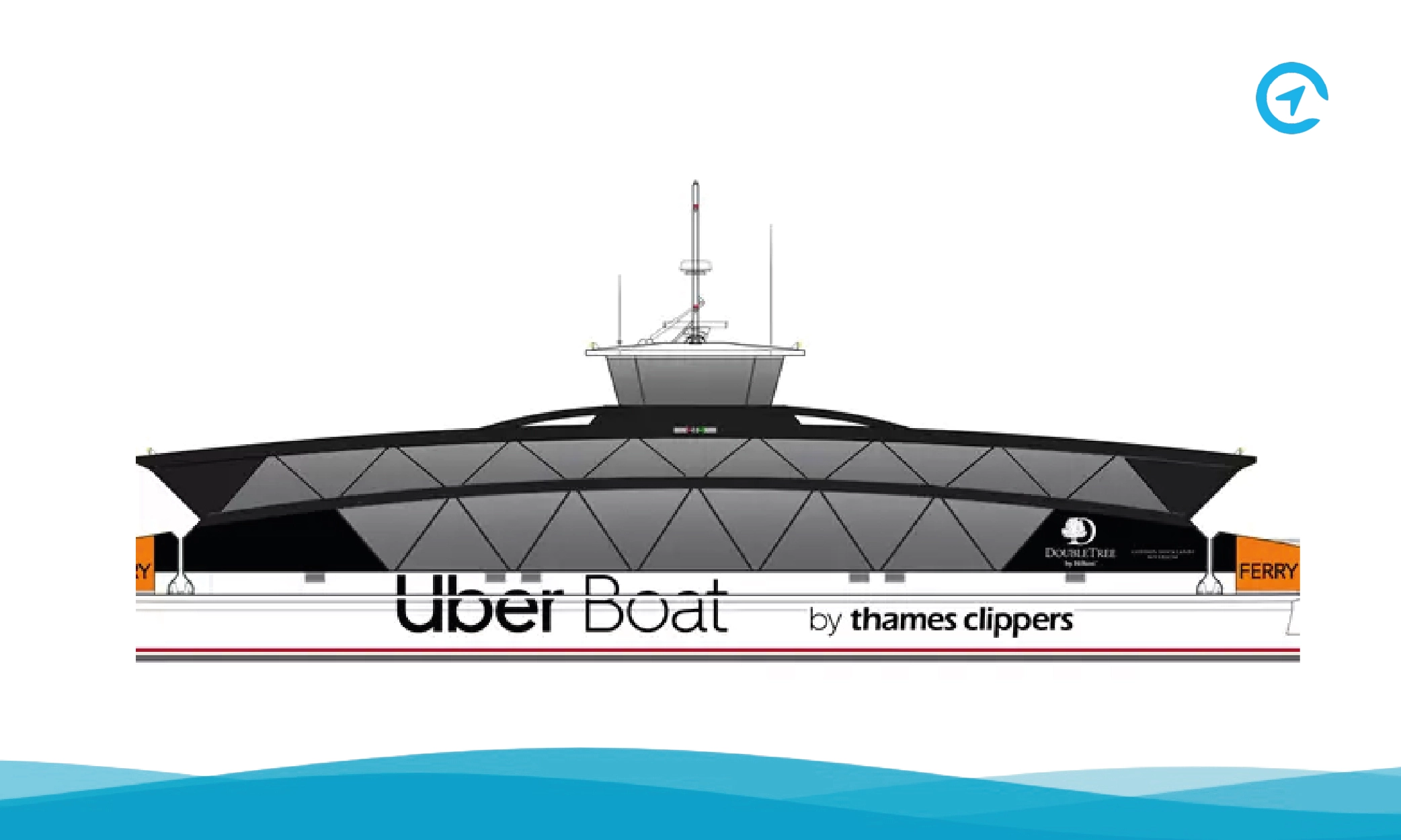
The future of transportation is increasingly focused on sustainability, and the maritime sector is no exception. In this context, London has taken a bold step toward green innovation with the launch of the UK’s first fully electric ferry: the Orbit Clipper. This vessel, set to begin operations in 2025, marks a significant advancement in water transport by offering a clean and efficient alternative to traditional ferries in the city.
What is the Orbit Clipper and what makes it special?
The Orbit Clipper is an electric ferry that will operate on the River Thames, offering regular service between two of London’s key locations: Canary Wharf and Rotherhithe. With capacity for 150 passengers and 100 bicycles, the ferry is designed to make transportation more accessible—especially for urban cyclists looking for a greener, more practical option.
What truly sets the Orbit Clipper apart is that it’s fully electric, eliminating CO2 emissions and other pollutants associated with fossil fuels.
The impact of electric ferries on sustainability
The transportation sector is one of the largest contributors to global greenhouse gas emissions. However, clean technologies are beginning to change this reality. With the growing shift toward electrifying public transport, electric ferries present a key opportunity to cut emissions in the maritime sector. By removing the need for fossil fuels, they not only reduce carbon output but also help improve air quality in urban areas.
Additionally, powering these ferries with renewable energy could allow cities like London to establish clean, sustainable river transport systems—minimizing their environmental impact. These kinds of initiatives not only reduce pollution but also pave the way for greater innovation in urban mobility.
Why choose electric transport?
Electric transportation is becoming increasingly important—not only for fighting climate change but for its practical advantages. Here are a few reasons to consider it for your next trip:
- Reduced CO₂ emissions: Electric vehicles don’t rely on fossil fuels, significantly lowering pollutant emissions.
- Lower noise: Electric vehicles are much quieter than traditional ones, improving the urban soundscape.
- Energy efficiency: Electric systems are far more efficient than internal combustion engines, using less energy for the same distance.
- Cost savings: While the initial investment may be higher, the long-term cost of maintenance and operation is significantly lower.

Latest posts

Destinations 31 Aug 2026
Rosslare: What to See and 5 Must-Visit Places Near the PortWhat to see in Rosslare? Discover 5 must-visit places near the port and how to get there from Bilbao or Santander by ferry with your car.
Read more
Destinations 25 Aug 2026
What to See in Chefchaouen: Guide to Morocco’s Blue TownDiscover what to see in Chefchaouen, how to get there, what to do in the medina and how to visit the Akchour waterfalls. Plan your trip to Morocco!
Read more
Events 28 Jul 2026
Kikoto Ferries expands its international distribution through integration with PHPTRAVELSKikoto Ferries integrates with PHPTRAVELS to help travel agencies expand their portfolio with 160 ferry routes, 56 ports and the leading ferry operators.
Read more
Find and buy ferry tickets quickly
Are you in a hurry?
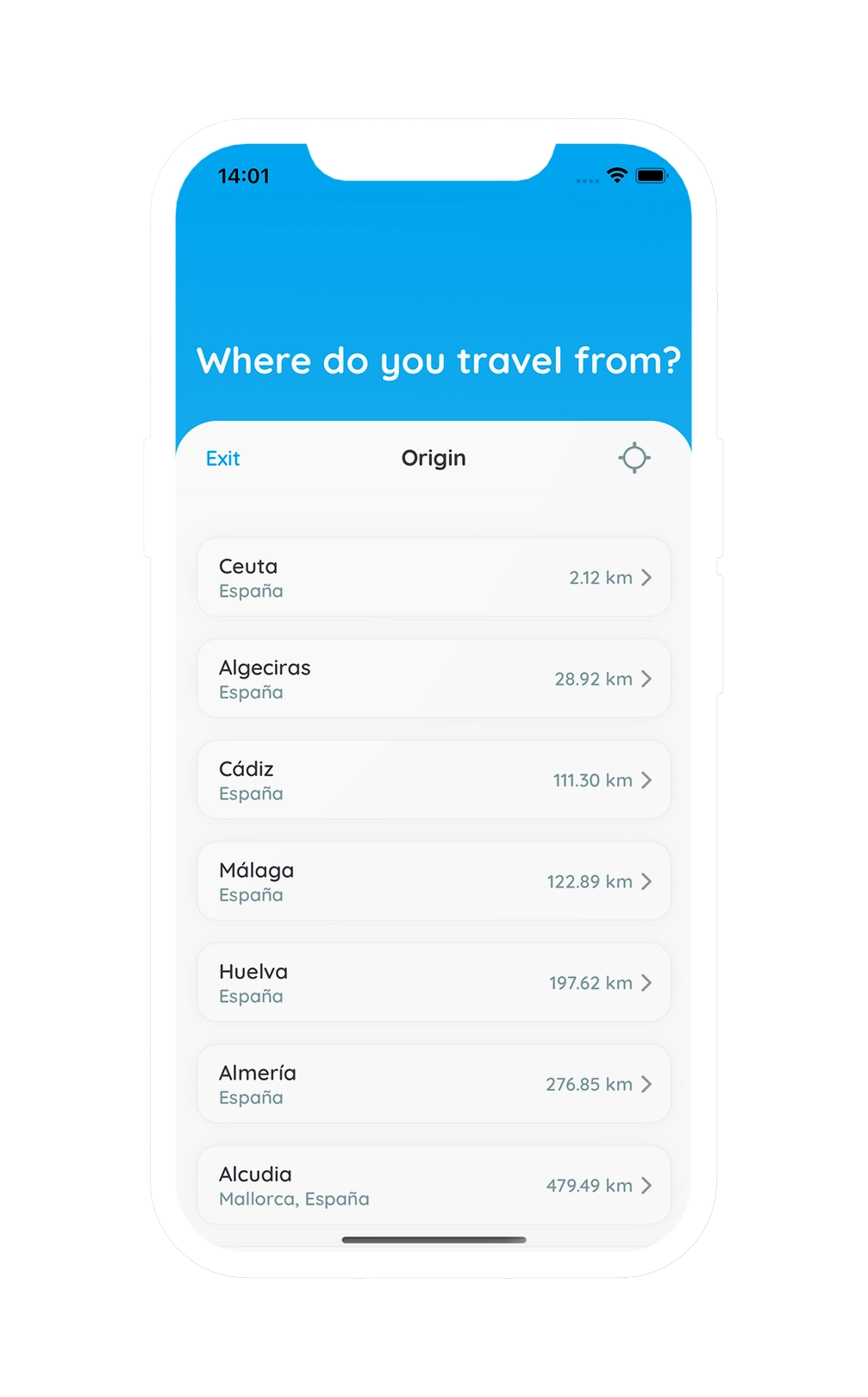
By activating the location, we transport you directly to the nearest ports, revealing imminent departures that are ready to set sail.
Book fast tripWhere are you departing from?

Download the Kikoto App
The fastest way to make and manage your ferry reservations.


Customer service
Visit our customer service page to find useful information about ferry travel, our frequently asked questions, and how to contact us for help with your reservation.